Private & Members' Clubs
A locker scheme worth the membership fee
What we usually find
If none of this sounds like your site, you may not need us — and we would rather you worked that out here than after a meeting.
The locker list lives in a spreadsheet, and nobody trusts it
Assignments, renewals and the waiting list sit in a file that one person maintains. Lockers are quietly occupied by members who left two years ago, some are paid for and some are not, and reconciling the list against the actual room is a job nobody has time for. Meanwhile there is a waiting list.
Keys are a slow leak of money and goodwill
Keys get lost, copied and never returned. Each replacement is a cylinder change or a re-core, the deposit rarely covers it, and the member who lost their key is standing at the desk now, wanting their golf bag. Every one of those interactions costs staff time and a little bit of the premium feel you are selling.
Members judge the club by the changing room
The locker room is one of the few places every member touches on every visit. Tired lockers with mismatched padlocks and handwritten labels undercut the subscription in a way the lounge refurbishment cannot fix — and members compare notes with other clubs.
Locker revenue is under-collected
Annual locker fees are often invoiced manually, chased inconsistently and written off quietly. Clubs are frequently surprised at how much of the locker room is generating no income at all once someone finally audits it.
What changes once it is in
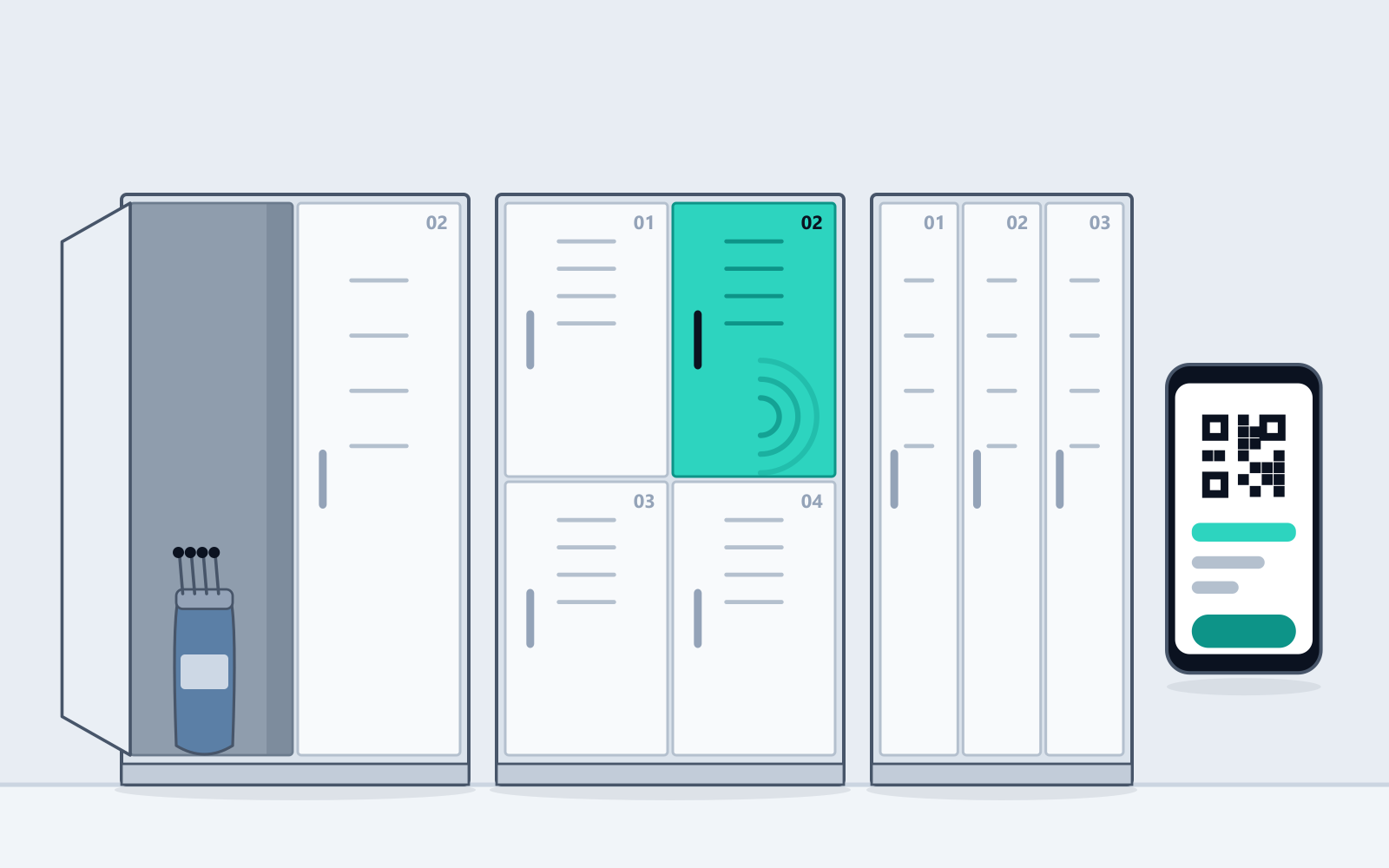
- Members open their locker with a phone, at any hour, without approaching the desk
- Assignments, renewals and the waiting list live in one dashboard the committee can see
- Locker fees collected automatically by card, with access ending when payment or membership lapses
- No keys to cut, recover, re-core or take deposits against
- A remote release for staff when a member is locked out or a locker must be cleared
- A record of every opening, which settles disputes about missing belongings
- Golf bag, racket and equipment bays specified for the sport your members actually play
Which lock we would specify here
Connected access, and this is the sector where we argue for it hardest. Clubs charge locker fees, hold waiting lists, and lose compartments to members who resigned two years ago — all three are administrative problems that only connected access solves, and the fee collection alone usually covers the difference. The exception is a small club with a stable membership and no locker charge, where keyed or keypad locks are honestly enough and we will quote them. Staff and back-of-house cupboards in the same building should stay keyed regardless.
Buy, or have us fund and run it?
Clubs go both ways. A club mid-refurbishment usually buys outright and capitalises it with the rest of the works. A club that wants the amenity without a capital paper going to the committee takes the managed route: we fund and install the lockers, members pay their locker fee through the platform, and the club takes a share with no outlay. The managed route is also the easier internal sell, because it can be trialled on one room.
What we would specify
The families that come up most often for clubs. A single room usually ends up with two or three of these rather than one.
- Keyed
- Digital
- Connected (our default specification)
Member Lockers
Assigned storage, with the lock the room actually needs
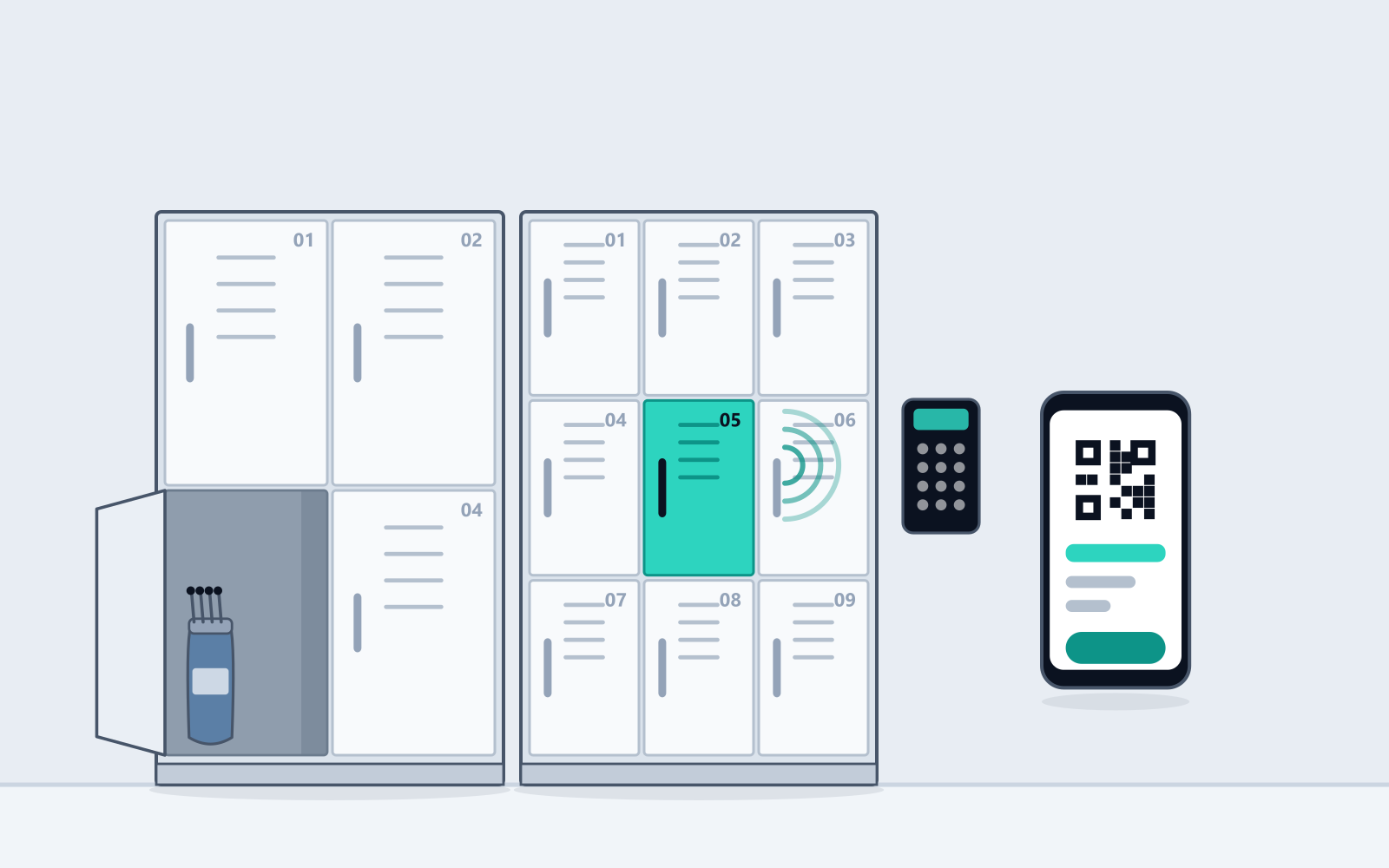
Full-height steel lockers in 2 to 24 compartments per bank, assigned to named members. Keyed, keypad or connected access — and on the Latchwork platform, fees collect themselves and access ends the day a membership lapses.
Sizes & specification →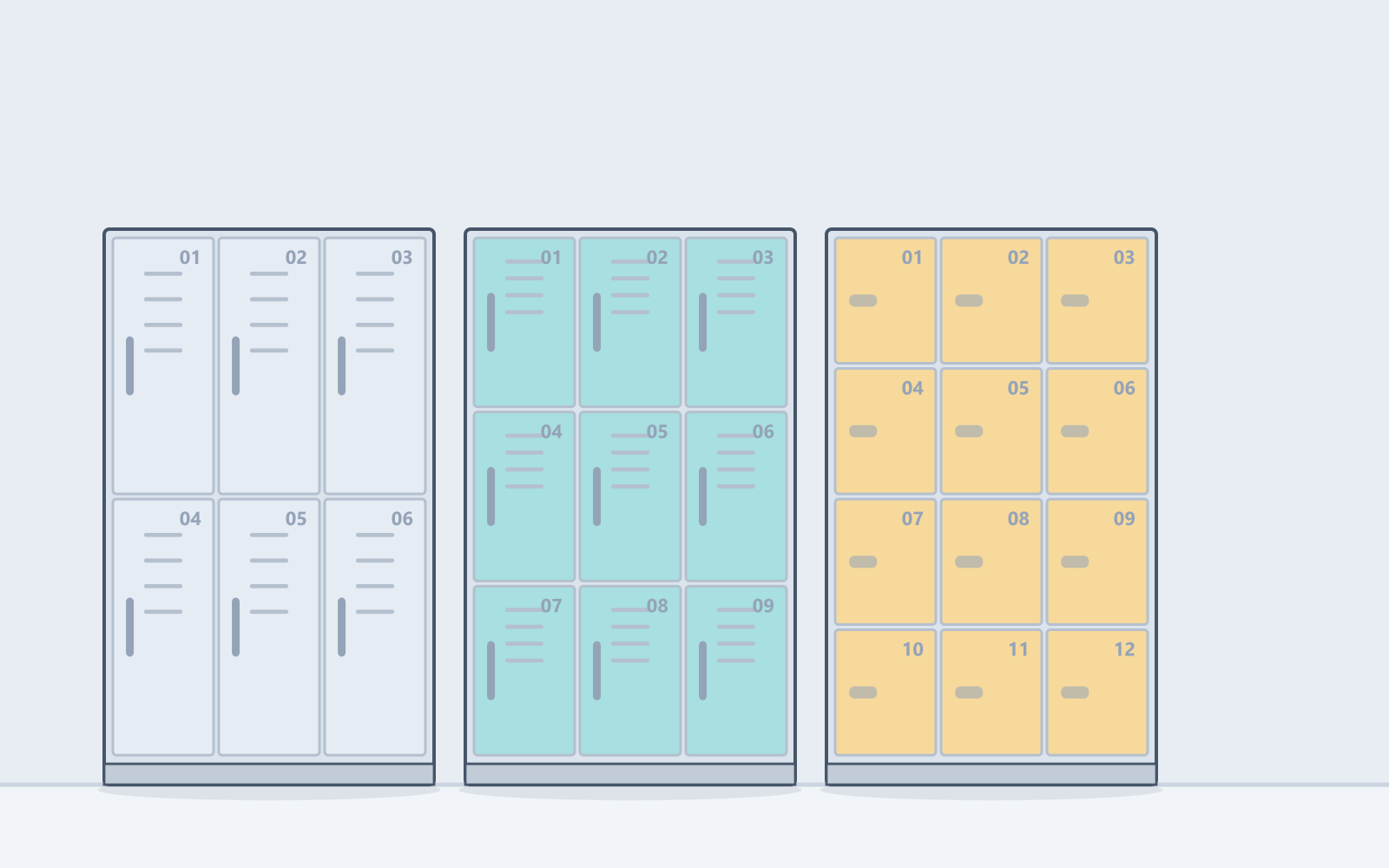
- Keyed
- Digital (our default specification)
- Connected
Changing Room & Staff Lockers
The proven steel locker, with whichever lock suits
Conventional full-height changing lockers in 2 to 24 compartments, built for wet areas and daily churn. The shell is identical whichever lock is fitted, so the lock can be revisited without replacing a cabinet.
Sizes & specification →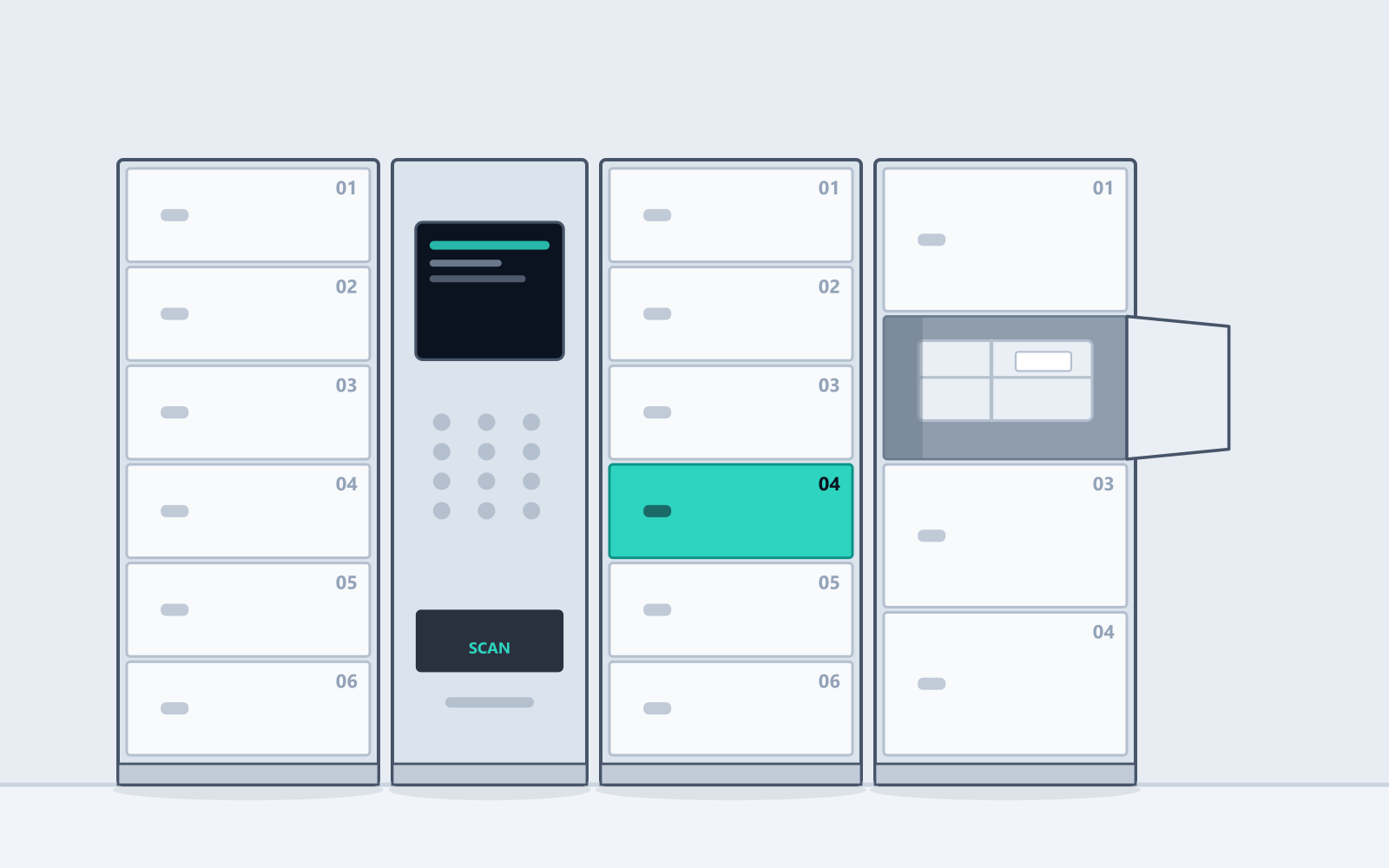
- Connected (our default specification)
Parcel & Deposit Lockers
Unattended handover, logged end to end
Multi-compartment banks with a controller, screen and keypad built in, for anything that changes hands without two people present. One party drops and locks, the other gets a code, and both ends are recorded.
Sizes & specification →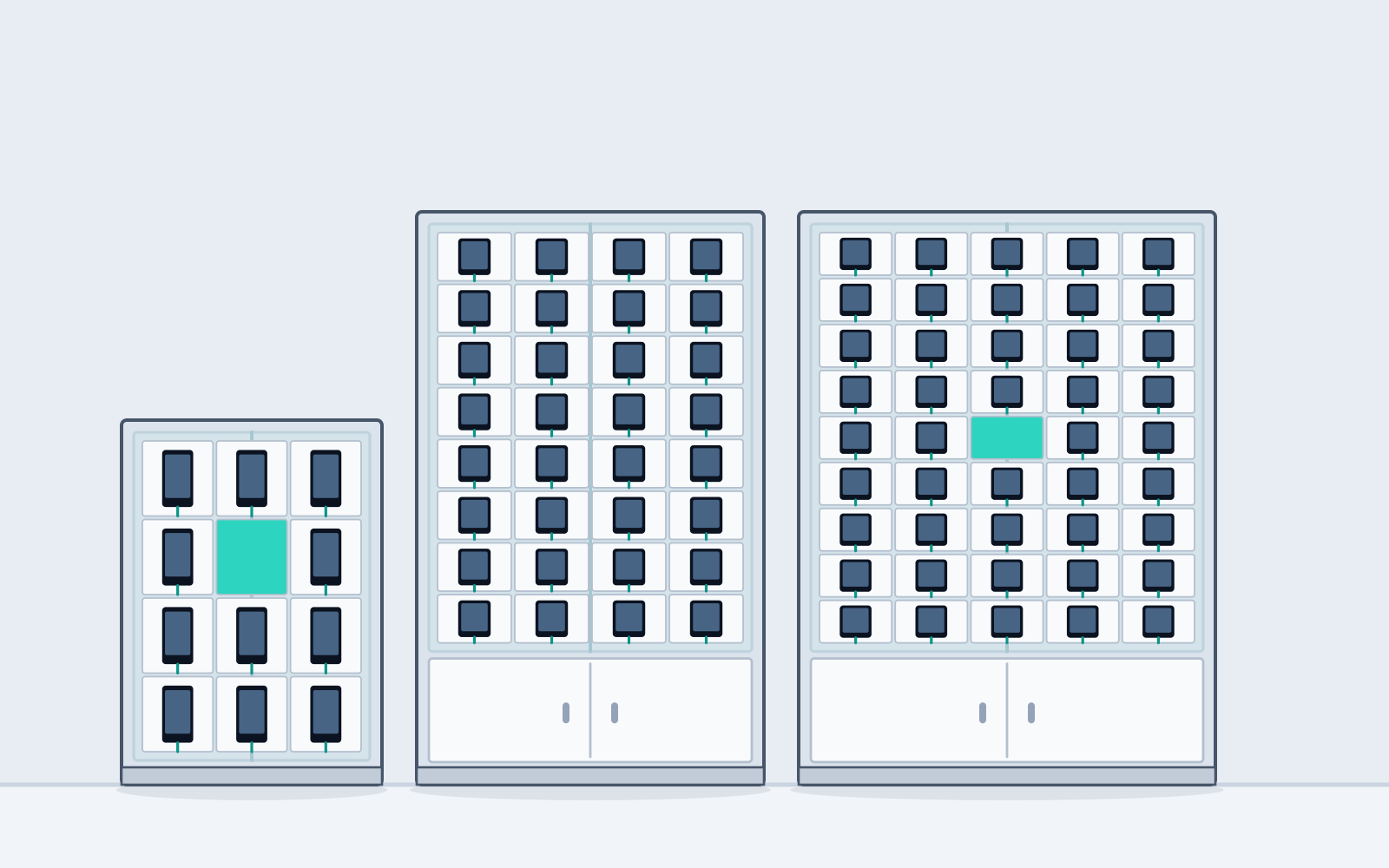
- Keyed
- Digital (our default specification)
- Connected
Phone Lockers & Device Charging Cabinets
Handphone cells, or a bank built to your opening
High-density steel cells from 12 to 84 per bank, with a mains socket in every cell, in some, or in none — plus charging cabinets built to your opening at roughly 125 bays per metre of wall.
Cells, or built to your opening →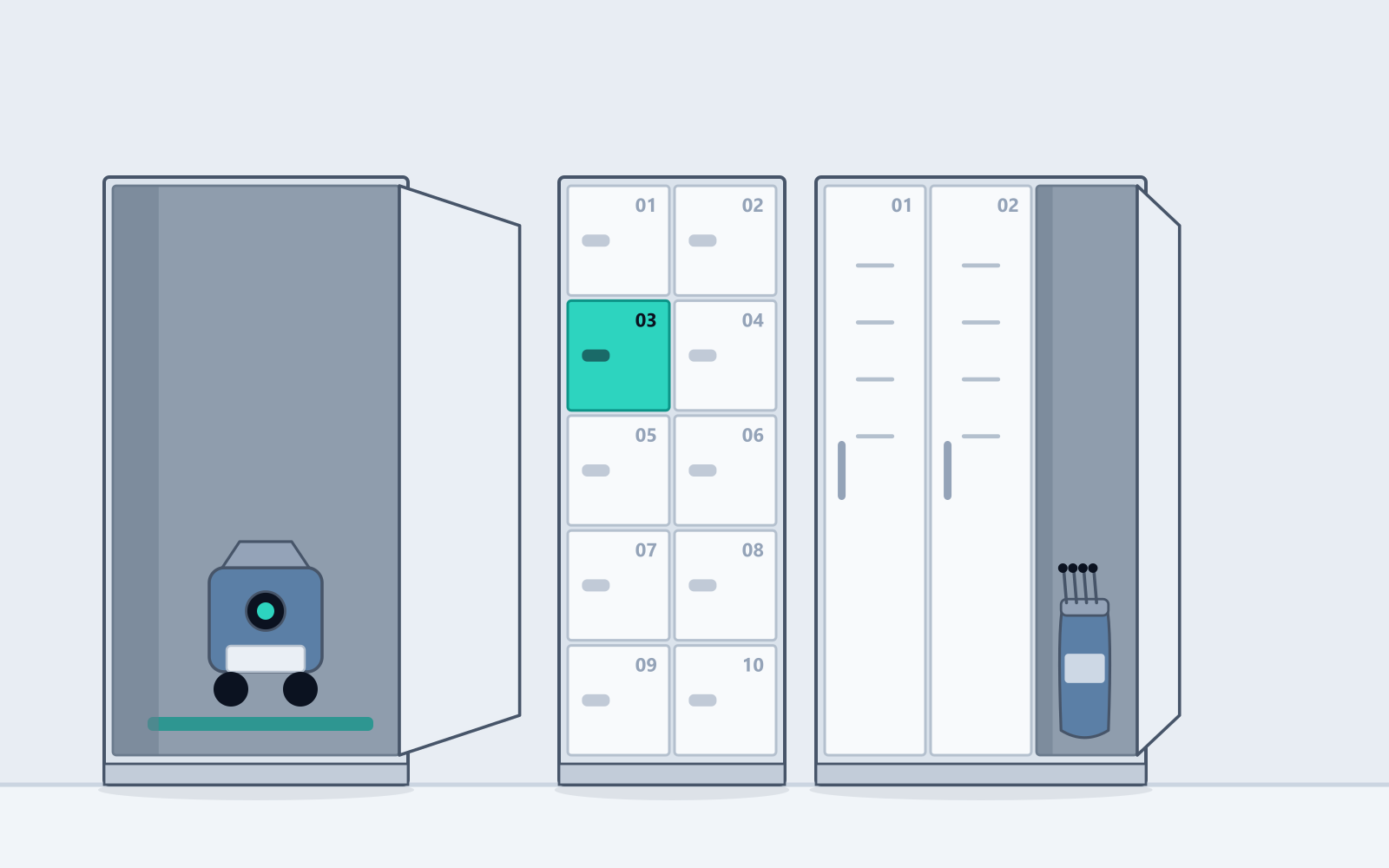
- Keyed
- Connected (our default specification)
Bespoke Equipment Lockers
Purpose-built housings for the awkward, valuable and shared
Lockers sized around one object rather than around a compartment. Where a catalogue compartment will not do, we build the housing around the item — bulky, powered, or shared between many users.
Sizes & specification →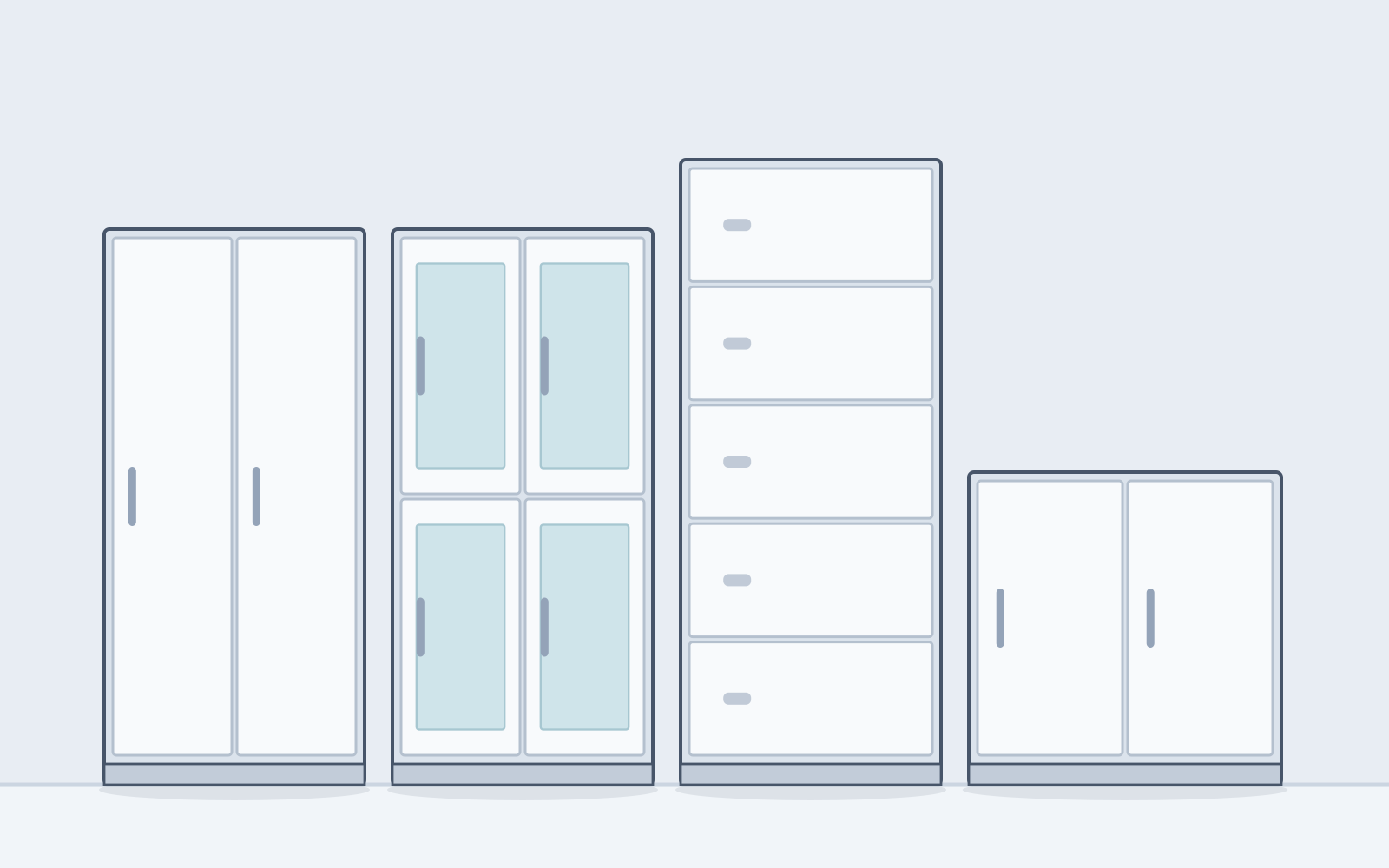
- Keyed (our default specification)
- Digital
Storage Cabinets & Cupboards
The general-purpose steel cupboard, done properly
Two-door cupboards, filing and archive cabinets, glass-fronted display units and low credenzas — the everyday storage that fills back offices, stores and clinic corridors. Unglamorous, and noticed when it is flimsy.
Sizes & specification →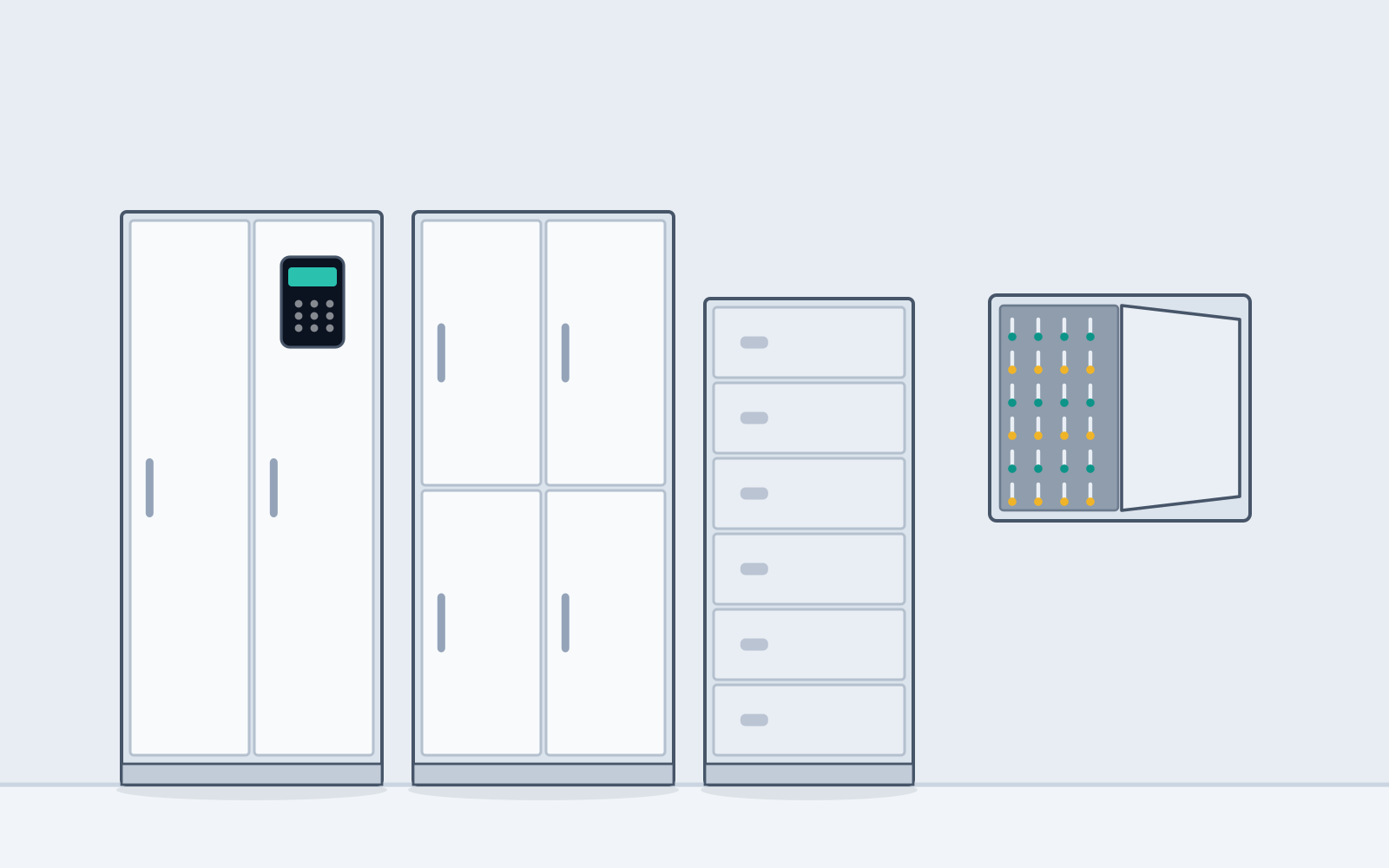
- Keyed
- Digital (our default specification)
- Connected
Secure & Document Cabinets
For records, valuables and media that must not walk
Heavier-gauge cabinets with standalone electronic, fingerprint or card locks, plus anti-magnetic media safes. For requirements that are not simply "lockable" but demonstrably controlled.
Sizes & specification →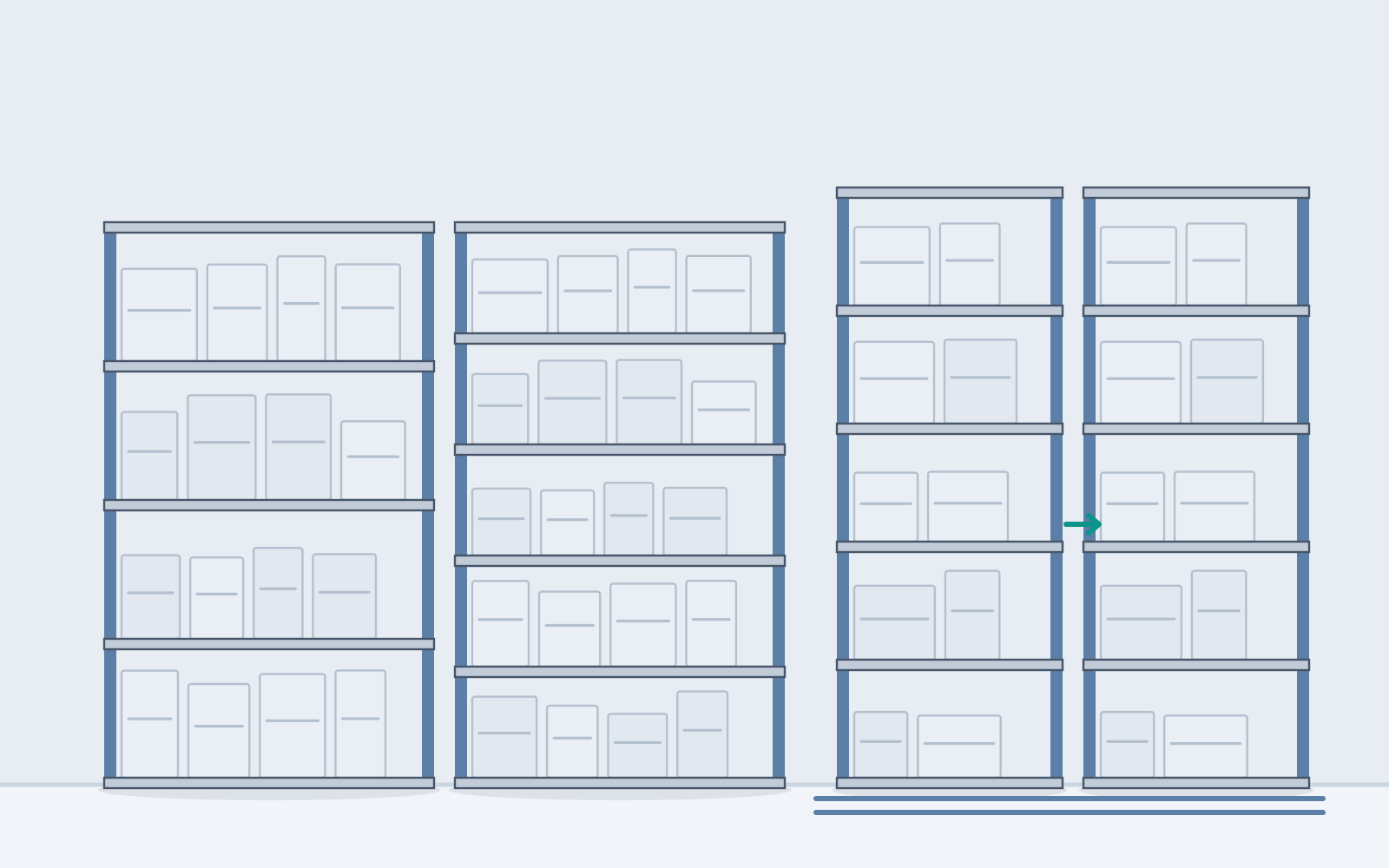
- Keyed (our default specification)
Shelving & Bulk Storage
Store rooms that hold more and stay tidy
Boltless light-duty shelving through to heavy pallet racking, plus mobile compact shelving on floor tracks that recovers the aisles. Most store rooms we survey hold half what the floor could take.
Sizes & specification →Quick answer: lockers for private & members' clubs in Singapore
Latchwork supplies and operates keyless member lockers for Singapore private and members' clubs. Members are assigned a locker and open it by QR scan or PIN — no keys cut, no cards issued, the front desk not involved. Locker fees bill automatically, waiting lists run from a dashboard, and access ends the moment a membership lapses. Clubs can buy outright, or have Latchwork fund, install and operate them at no capital cost.
Private & Members' Clubs — questions we get asked
Can we keep our existing lockers and just add keyless access?
Very often, yes, and for a recently-refitted locker room it is the sensible answer. Most steel lockers accept a retrofit electronic latch in place of the cam lock, with a controller at the end of the bank. We survey a sample door before quoting, because door thickness and latch geometry decide whether it fits. If your lockers are timber, unusually thin, or too corroded to hold a latch reliably, we will tell you that rather than sell a kit that will fail in a year.
What happens if a member does not want to use their phone?
They enter a PIN on the keypad at the end of the bank, and the door opens. No phone, no app, no card. This matters more than most suppliers admit — a club with a long-standing membership will have members who will not use a phone for this, and a scheme that cannot serve them generates complaints that reach the committee.
Who handles member queries about lockers?
Under a managed arrangement, we do — members contact us directly and your desk is not involved. If you buy the lockers outright, your team handles day-to-day queries with access to the dashboard, and we handle the hardware and platform. Either way we brief your front desk and duty managers so they can answer confidently rather than pointing at a supplier.
Can lockers be restricted to certain member categories?
Yes. Rules are set per bank, so a bank can be restricted to tennis members, golf members, a particular membership category, or staff. Day-use banks can release automatically at closing. Different banks in the same room can carry different rules.
How disruptive is installation to the locker room?
A retrofit on an existing bank is typically a day per room and can be done bank by bank, so the room stays partly in use. New banks need the old ones out first, which means a room closure — usually two to three days for a mid-sized locker room, and we will schedule it around your quietest period and work outside opening hours where the club prefers.