Steel & acrylic: typically 3–4 weeks · Charging: stock dependent
Standard product
Explore standard steel, acrylic and charging lockers. Steel and acrylic sizes follow the clear
compartment dimensions in our product list. Select a compartment count to see an estimated unit price; the final quantity, design and price are confirmed by quotation.
Four steel sizes, two acrylic sizes and charging lockers. Each size card shows the door range;
open its page for clear compartment dimensions, uses and configuration choices.
All prices shown are estimates in SGD. Select an available steel or acrylic compartment count for an estimated unit total; charging models show an estimated unit price. Final prices depend on the confirmed quantity and design. GST, delivery, installation and options are confirmed on quotation.
Nothing in the catalogue matches that combination. — or tell us what you need and we will make it to order.
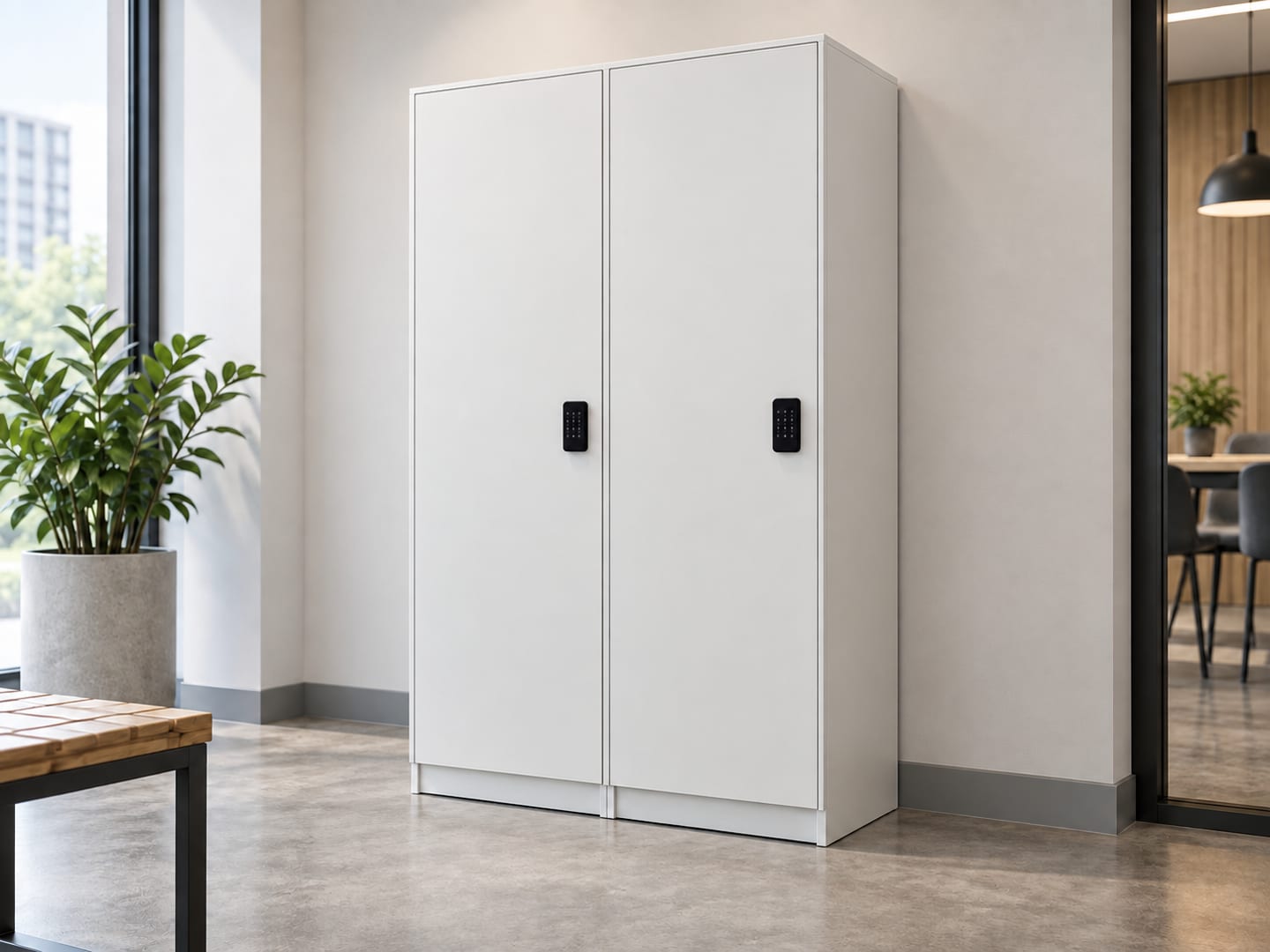
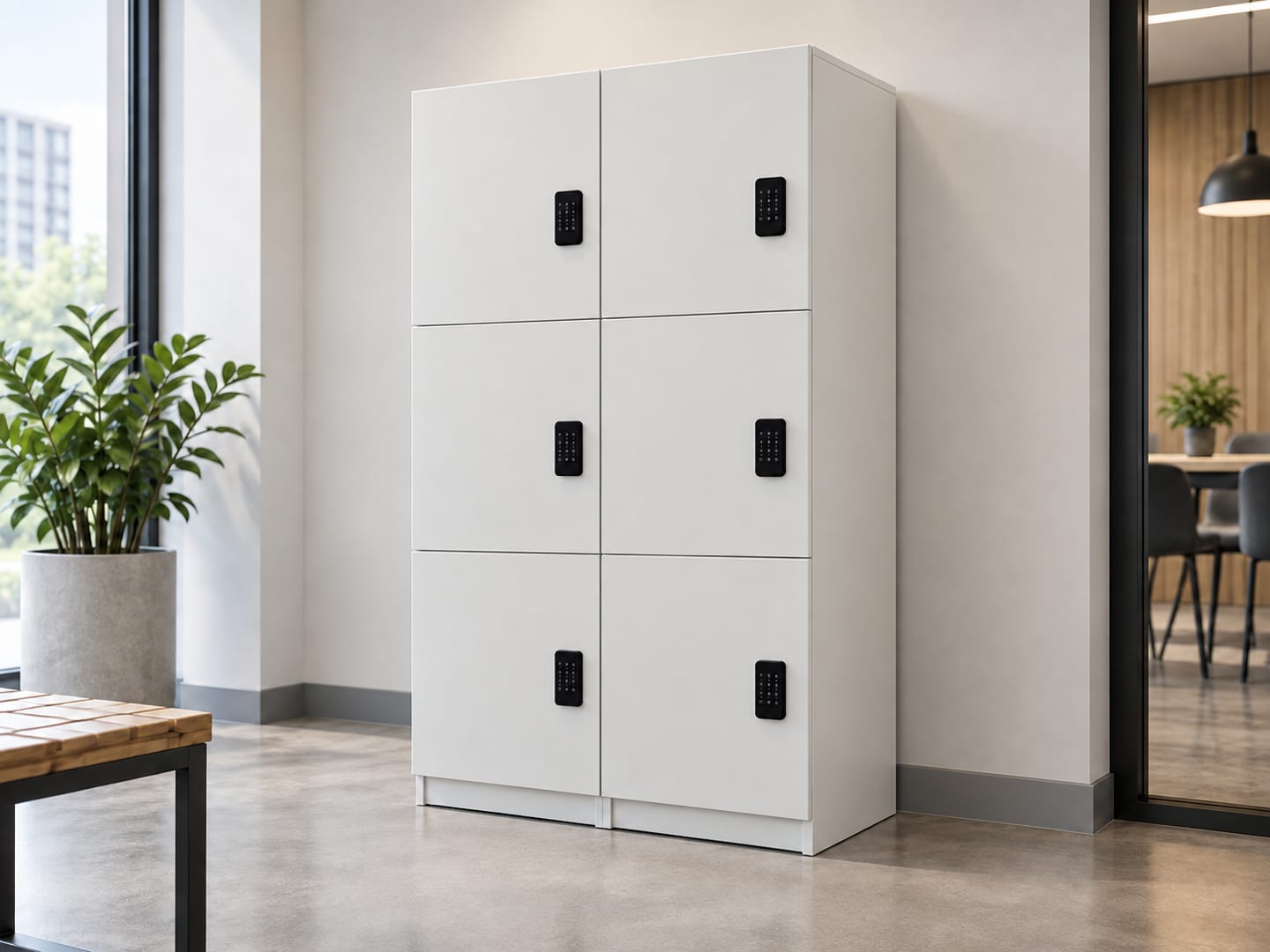
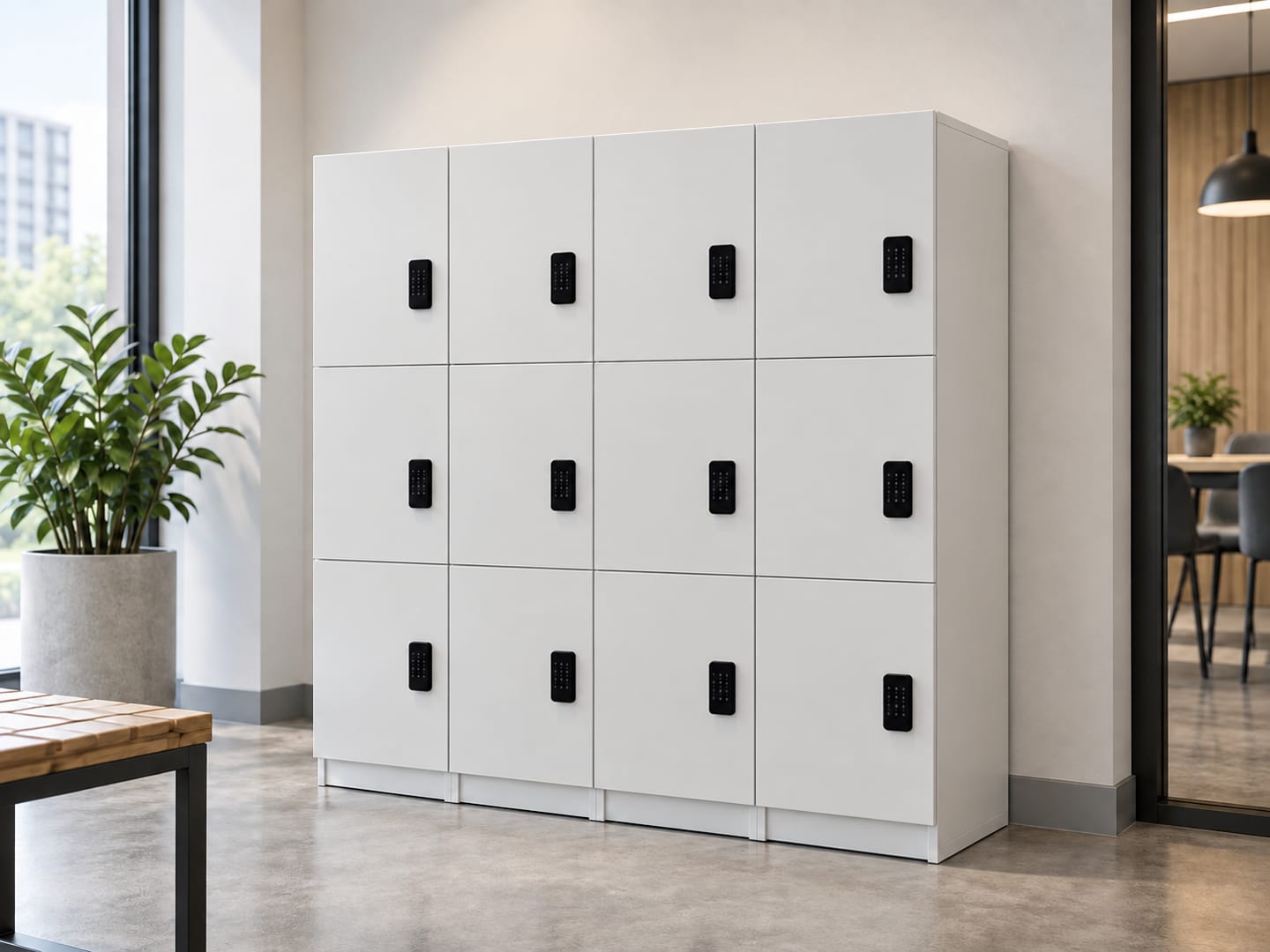
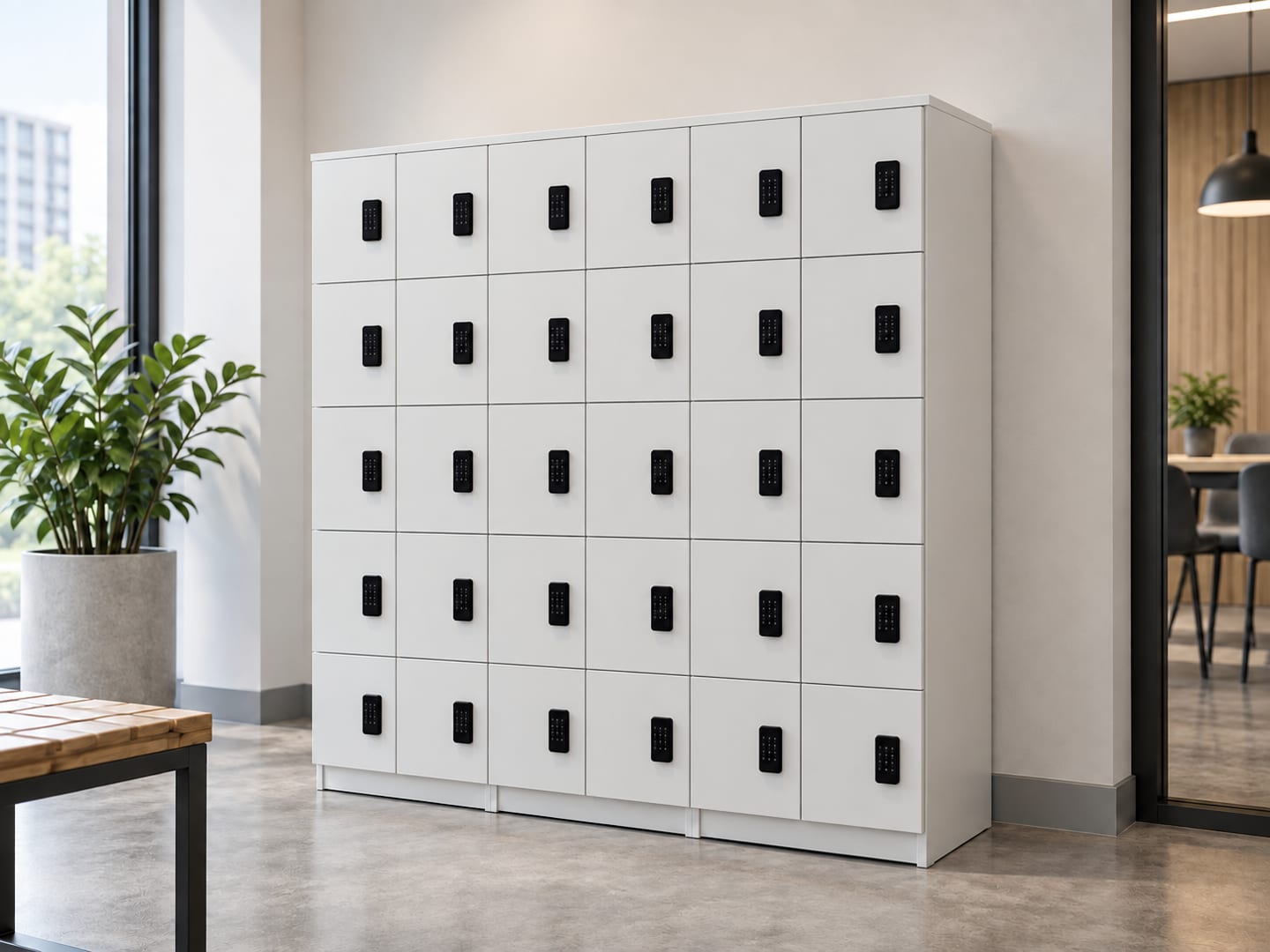
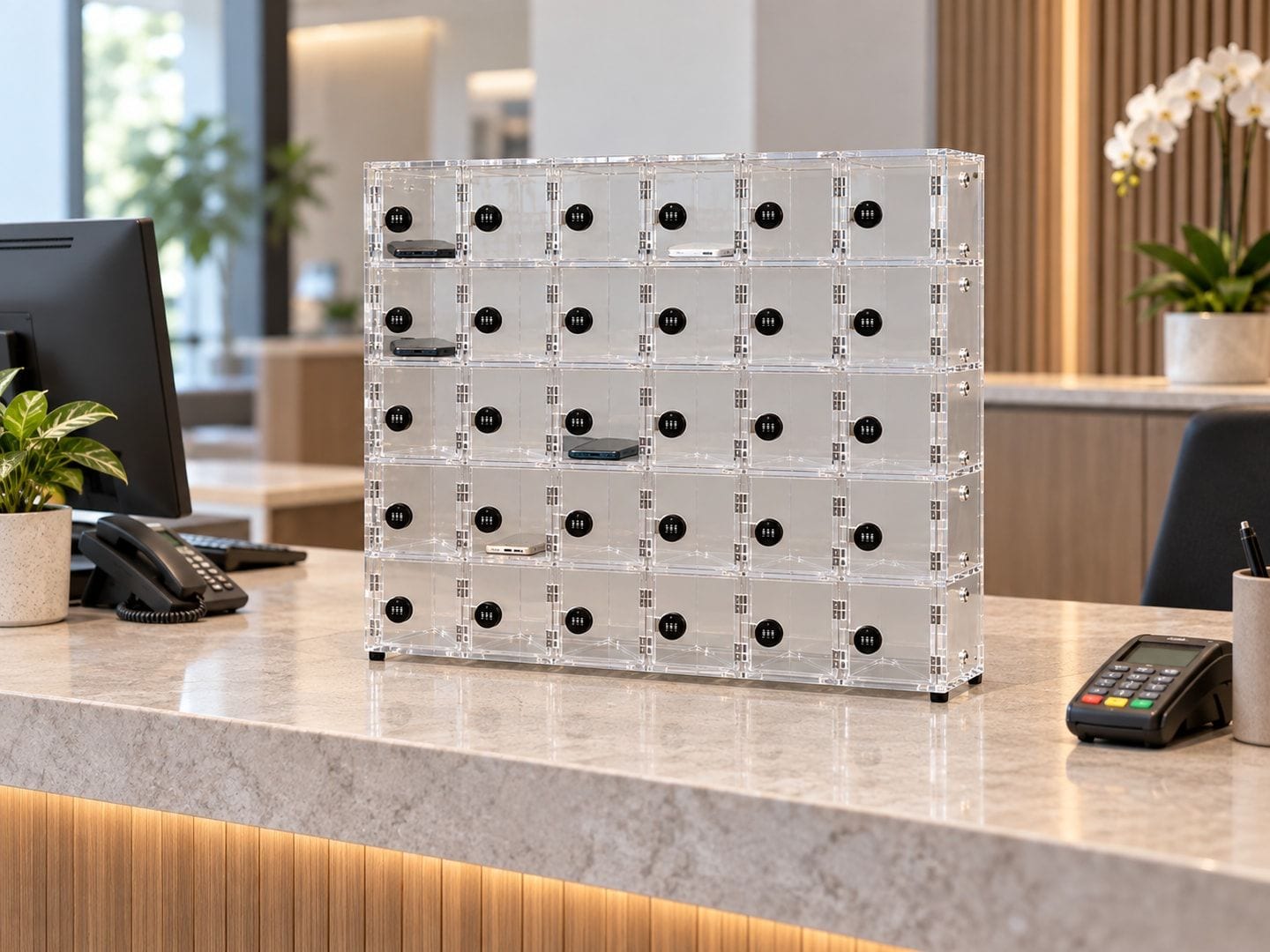
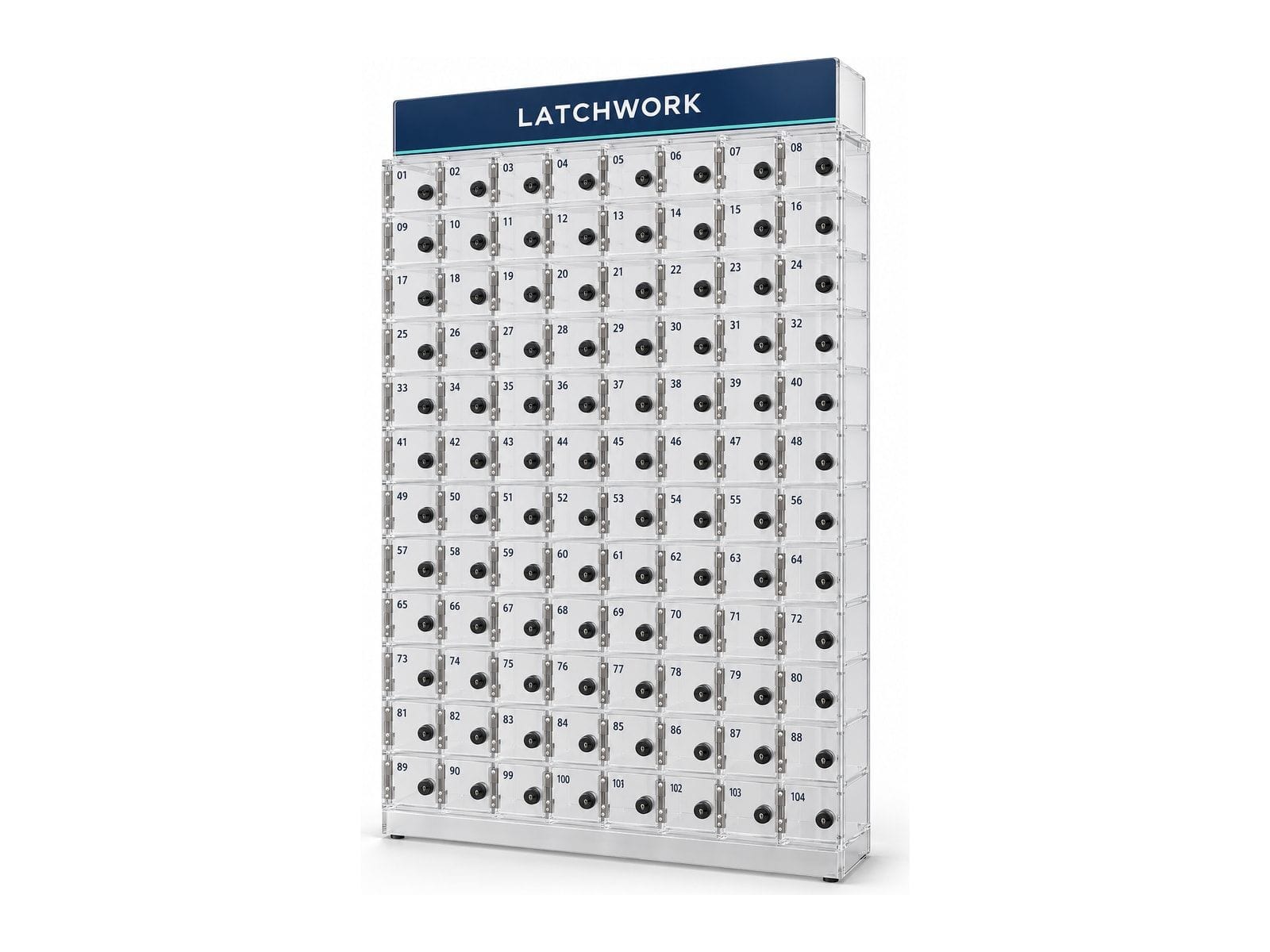
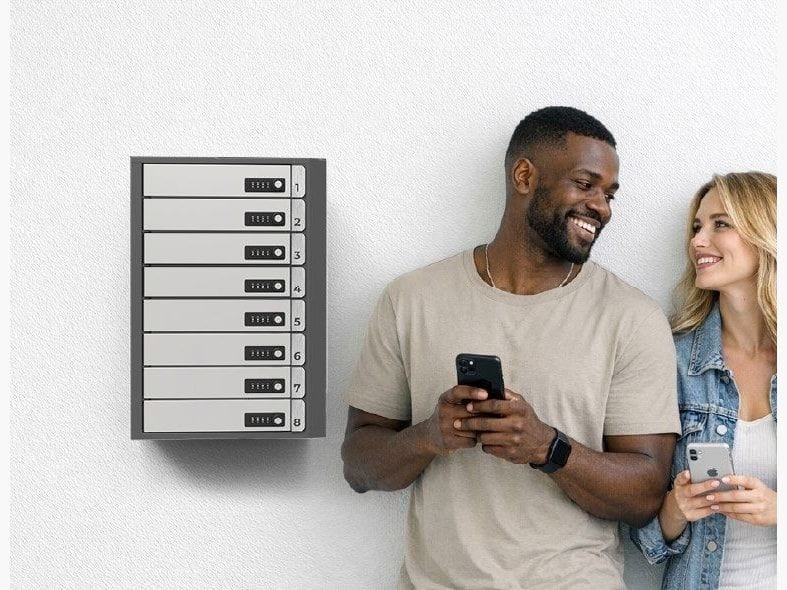
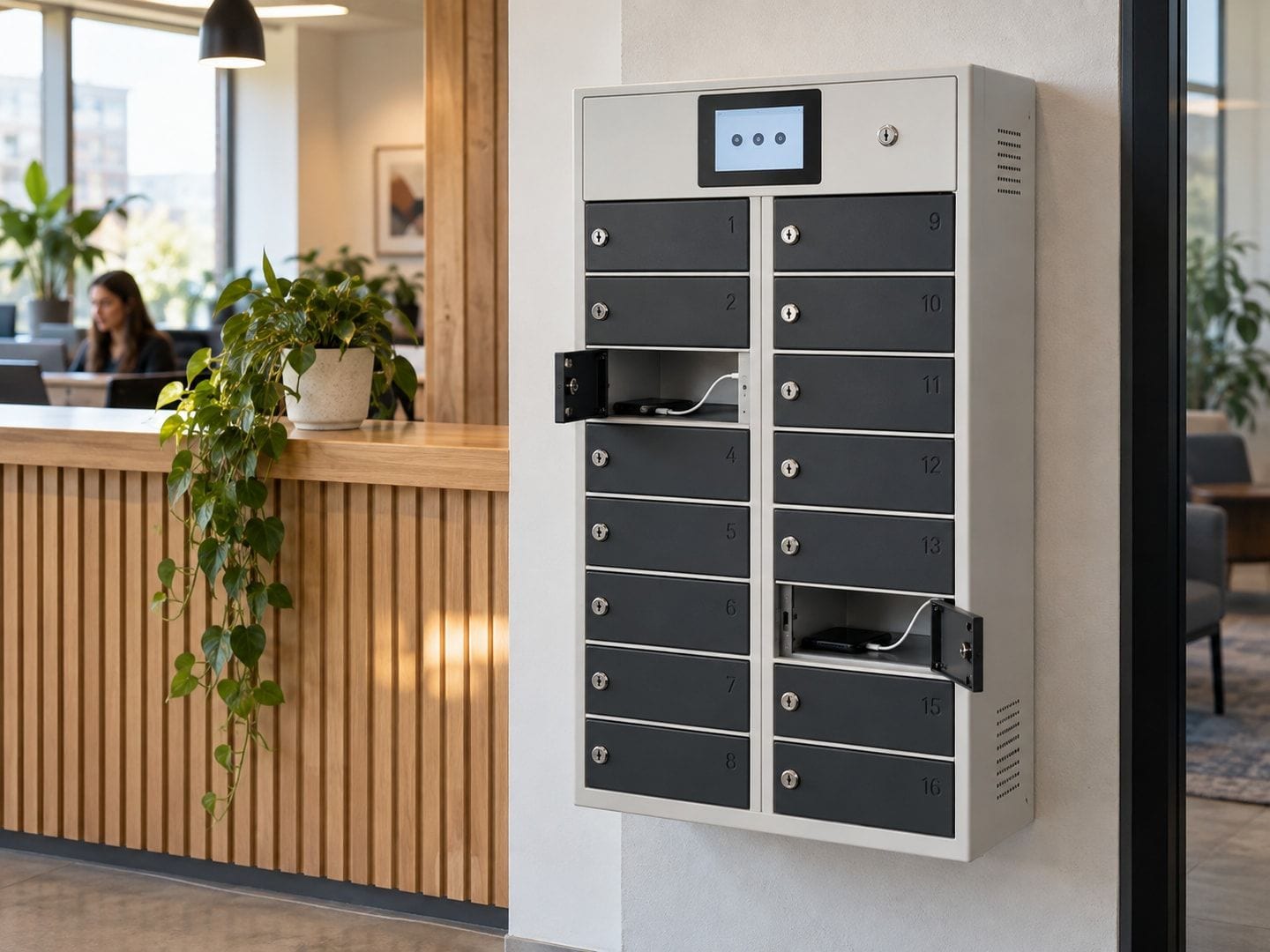
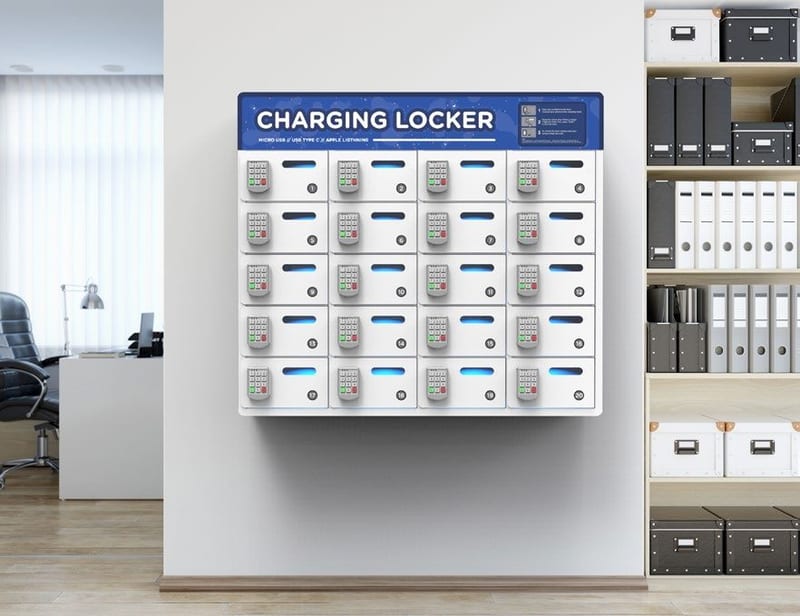
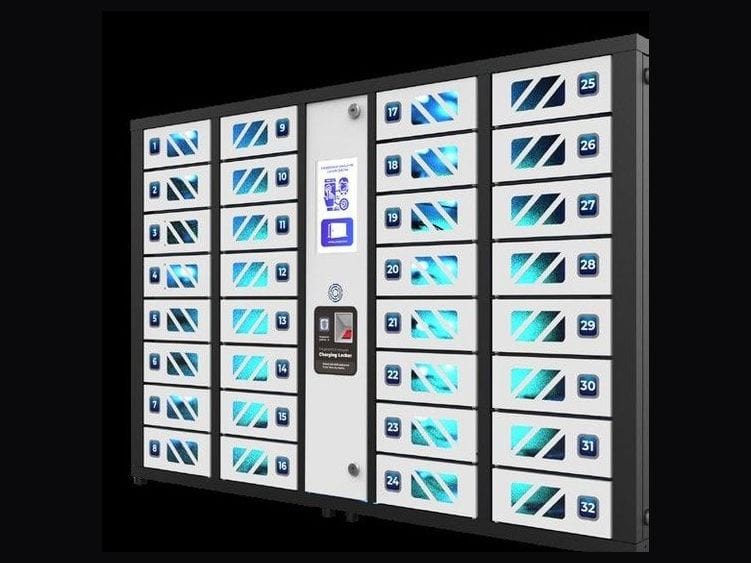
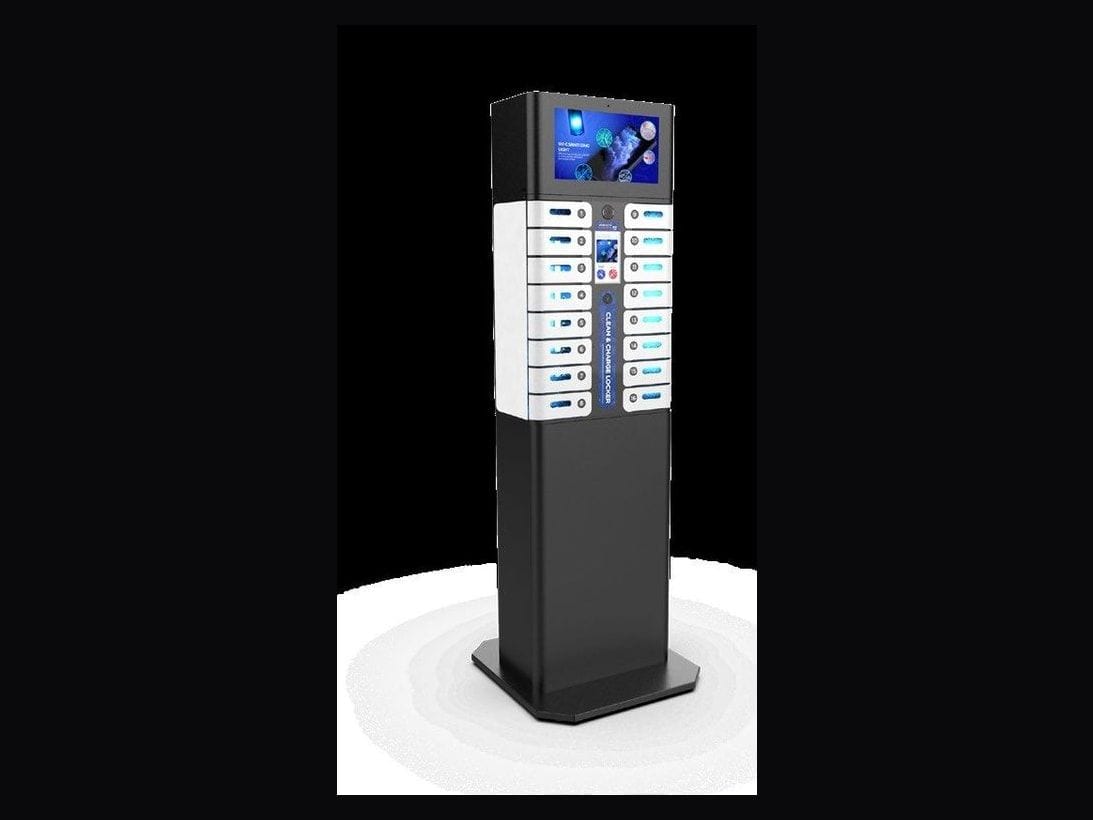
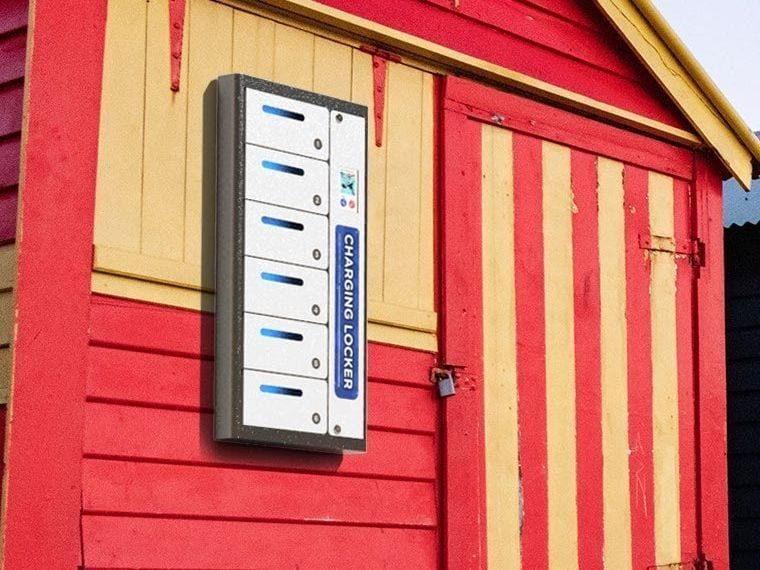
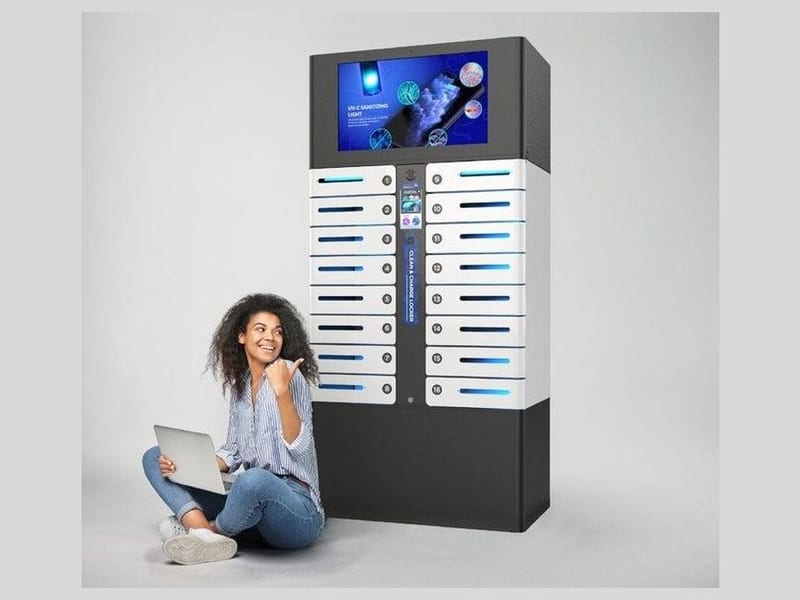
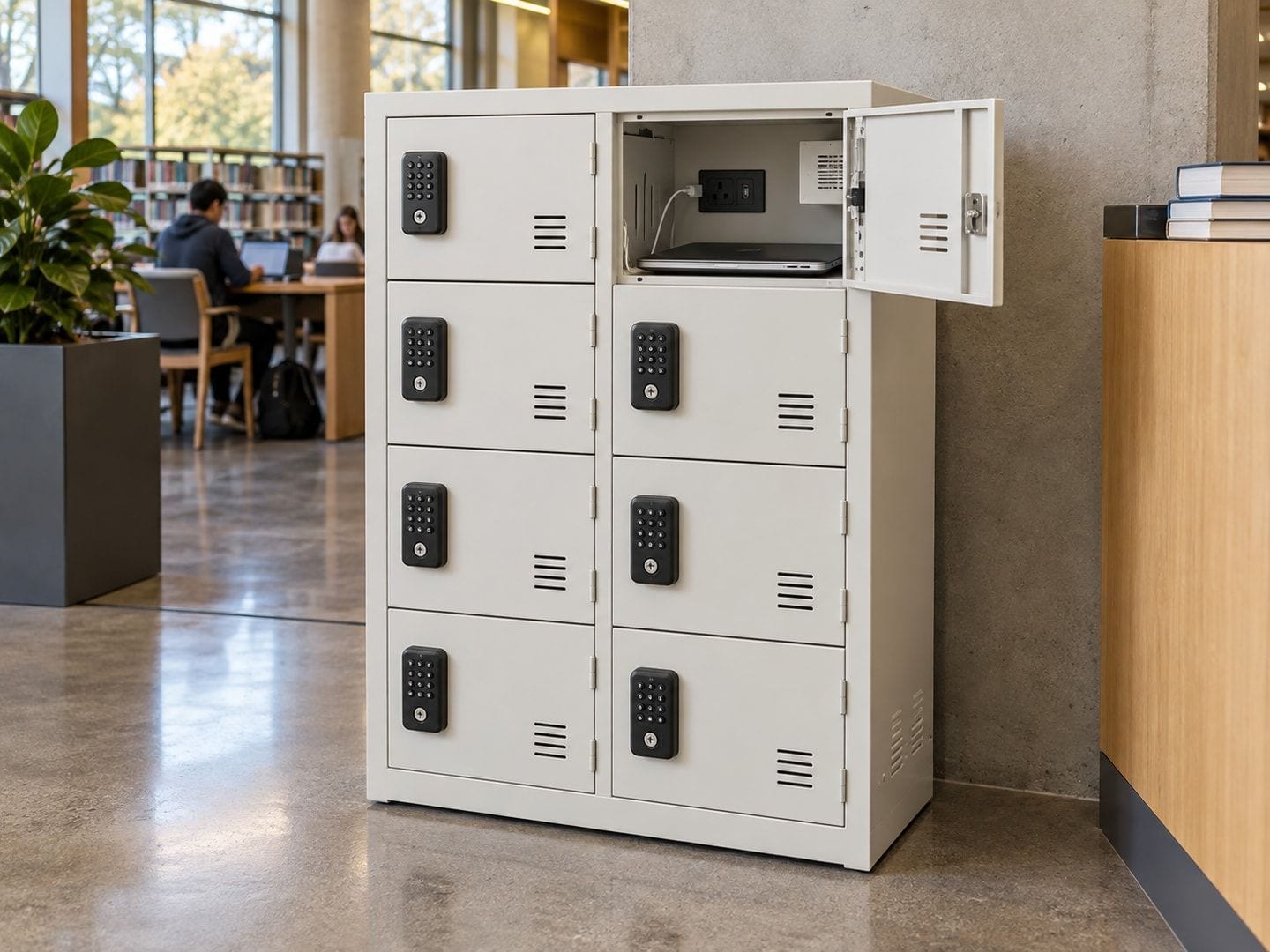
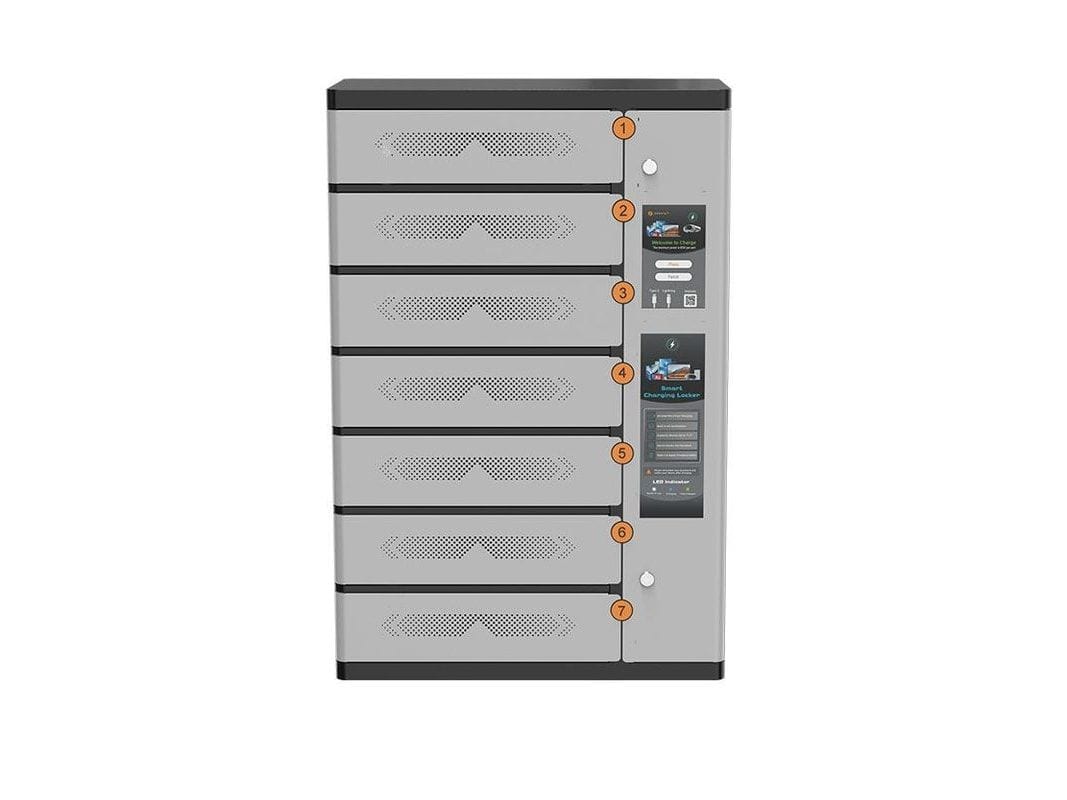
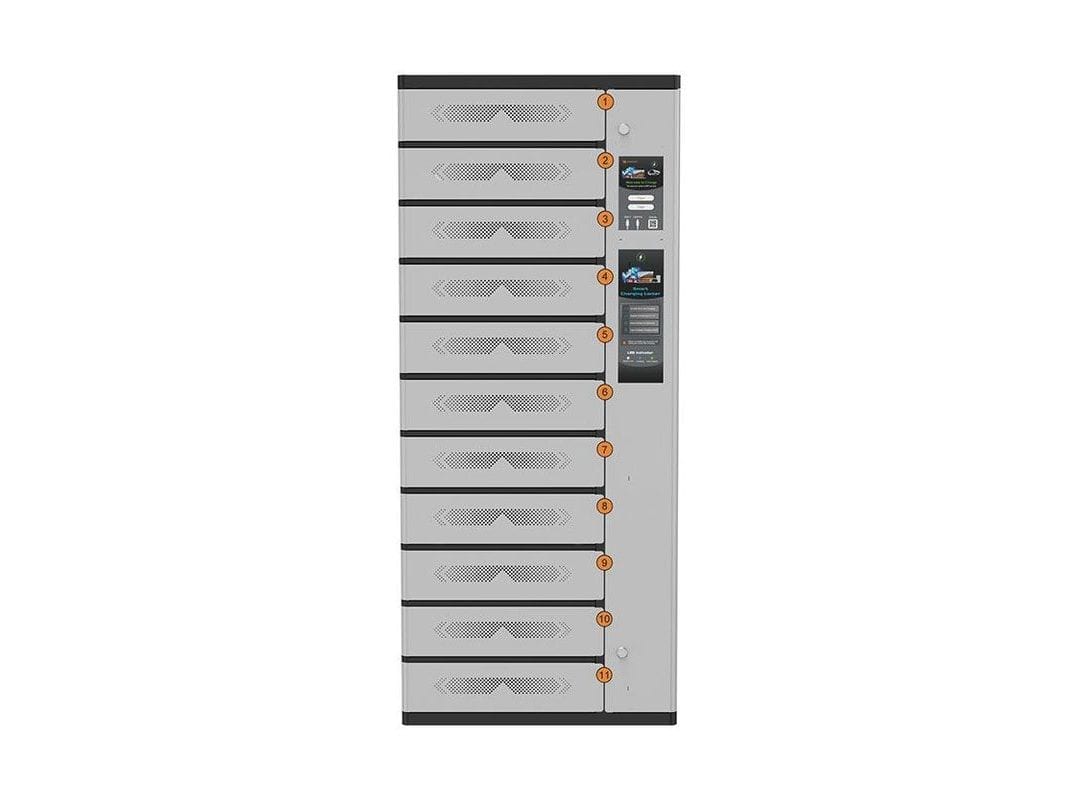
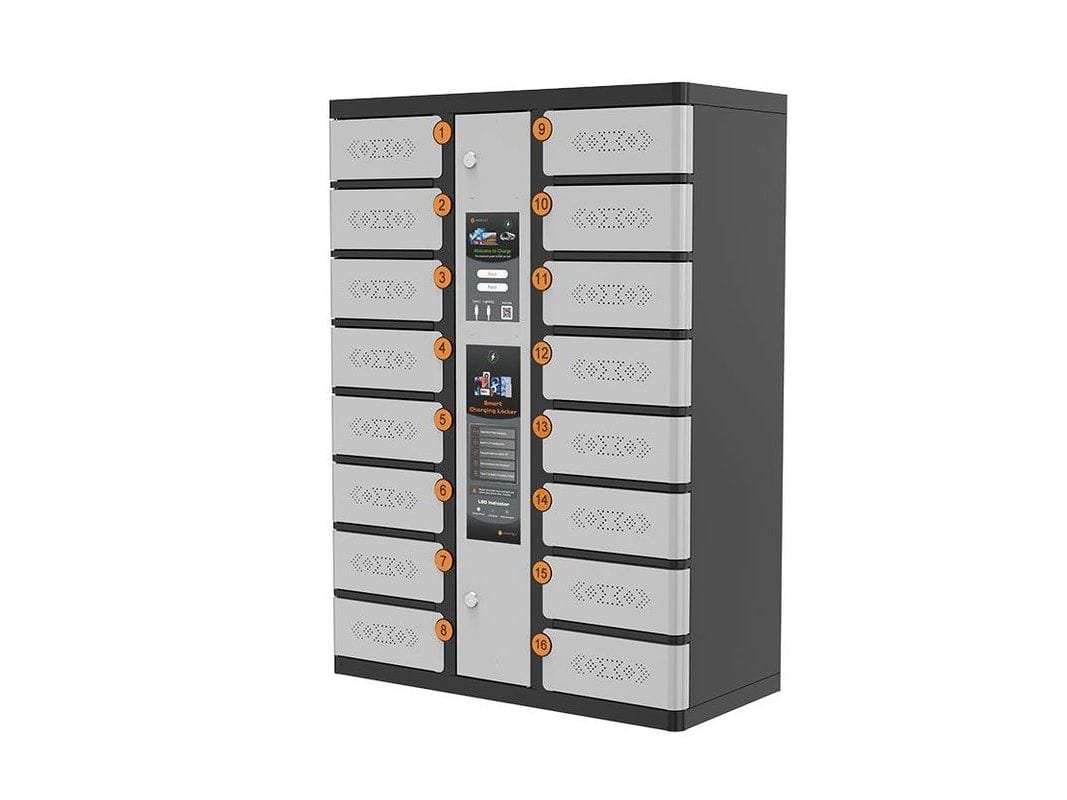
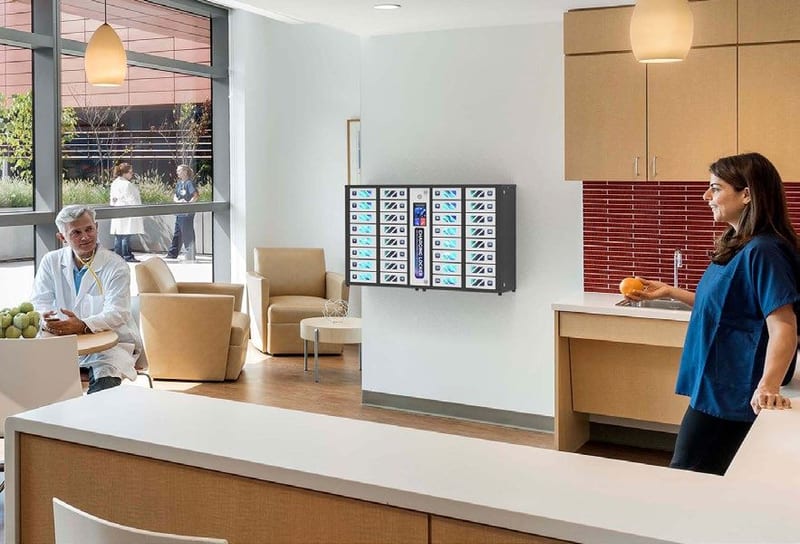
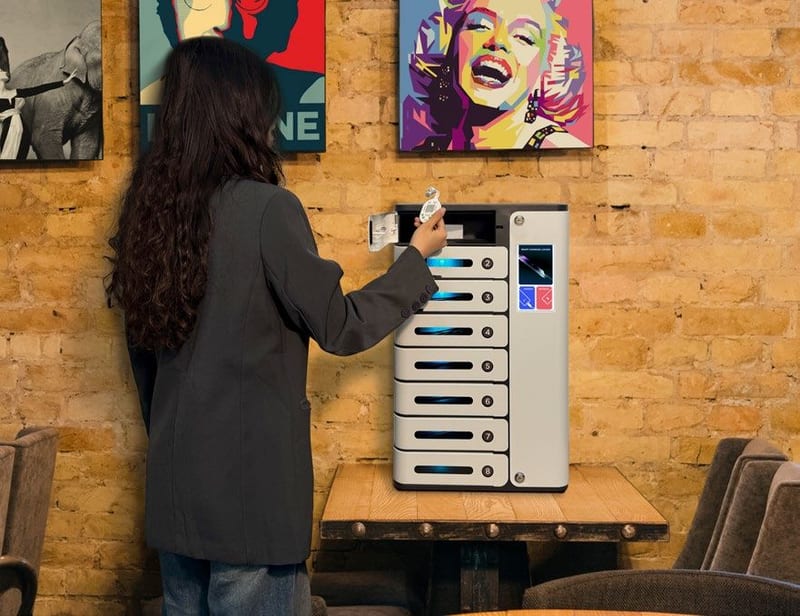
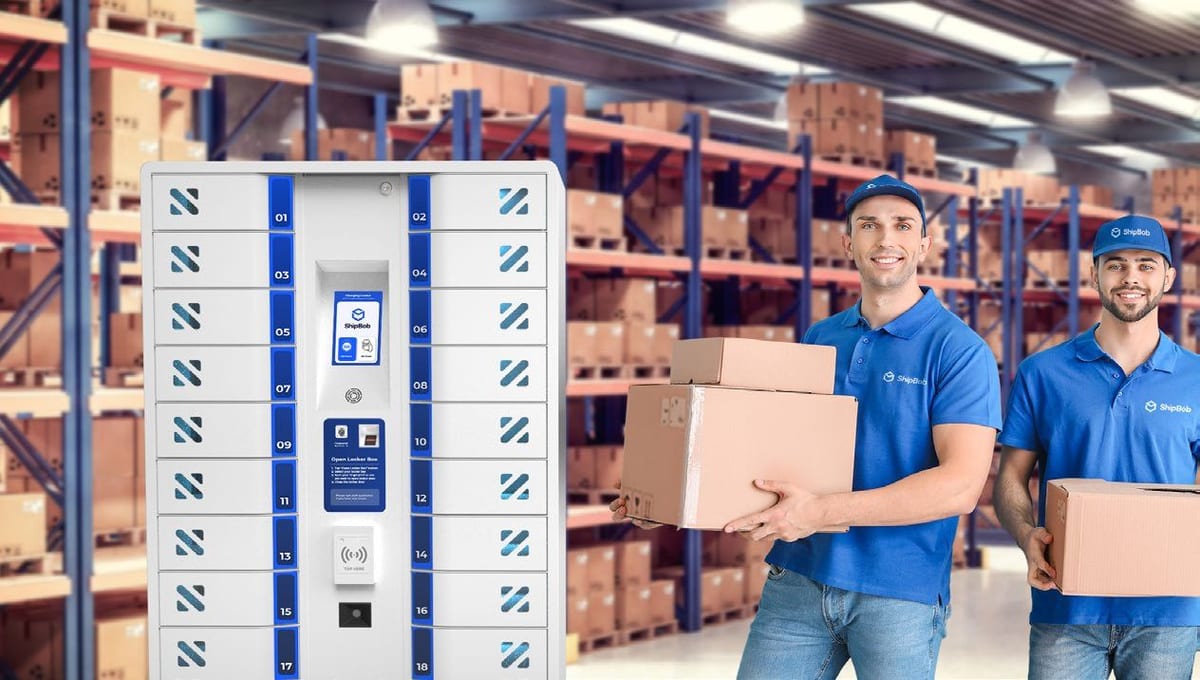
Photographs show example units. Compartment count, size, lock and finish vary by product and by
order — the dimensioned drawing issued with your quotation is the reference, not the photograph.
Before you order
Five questions decide the specification. Send us the answers and we can usually quote without
visiting.
What has to fit, at its largest?
The most common specification error, across the whole catalogue. The new steel and acrylic ranges are selected by clear compartment width, depth and height; charging bays are sized for particular devices. Measure the largest thing that genuinely has to go in — the helmet, the rucksack, the laptop in its case — and size from that rather than from a compartment count.
Does anyone own a compartment, or is it first come, first served?
On the steel and acrylic lockers this decides the lock: an assigned door wants a key or a fixed code, a shared one wants a code the user sets and clears at the door. On the charging cabinets both are settings on the same body rather than different products — and buying one when you needed the other is the mistake we see most. The two modes are compared below.
Is it free, or does the user pay?
If the person is already paying you for something else — a member, a patient, a student, a colleague — make it free. If they are a guest in a bar, hotel or mall, coin, card or QR payment is normal and the unit can pay for itself.
How much wall, and how much height?
First select the clear compartment size from the product page, then check how many doors the available wall can hold. The overall cabinet size is confirmed on the layout drawing. Charging cabinets have their own model dimensions.
When does it have to be in?
The product list gives a typical 3–4 weeks for steel and acrylic sizes. Existing charging models can start from two weeks, subject to stock. Confirm the delivery date on the quotation.
Charging lockers: public mode or private mode
The same charging cabinet does either. Nobody arrives knowing to ask, and it changes whether the
scheme works.
Public mode
Anyone, any free bay, one session at a time.
Fits:
Lobbies, receptions, gyms, clubs, venues, waiting rooms — anywhere the population changes every hour and no one person owns a bay.
Watch:
Nothing stops a user leaving a device in overnight, because the bay belongs to whoever last set a code on it. Where that matters, either put the unit somewhere staffed or take the count up so a squatted bay does not matter.
Private mode
Named people, assigned bays, locked between uses.
Fits:
Staff device storage, shift handovers, team equipment, secure areas where the point is that a specific person is accountable for a specific item.
Watch:
Somebody has to administer it. On a production model that is done at the unit itself, which is workable for one cabinet and tedious across several — at that scale you want a bank on our connected platform, where assignments are changed from a dashboard.
Options on the charging models
Ten add-ons, most retrofittable. Each states when to decline it. Plain steel lockers take a
keypad lock in place of the cam lock, and nothing else is optional on them.
Then it is made to order. Nine families built to a drawing around your wall — a compartment split the
catalogue does not hold, a bank fabricated to an awkward opening, or charging cabinets at roughly two
and a half times the bays per metre when the count is large and the wall is short.
Quick answer: what is in the standard product range
Latchwork’s standard product range in Singapore covers three kinds of locker: steel lockers
with 1 to 40 doors across four size categories, acrylic lockers with 8 to 120 compartments in
each of two size categories, and charging lockers with 6 to 32 bays. The product pages show the
clear compartment dimensions. Each card shows an estimated unit price; final quantities, cabinet layouts, locks, finishes, GST and installation are confirmed by quotation.
Steel lockers
1 to 40 doors, by size
Acrylic lockers
8 to 120 compartments
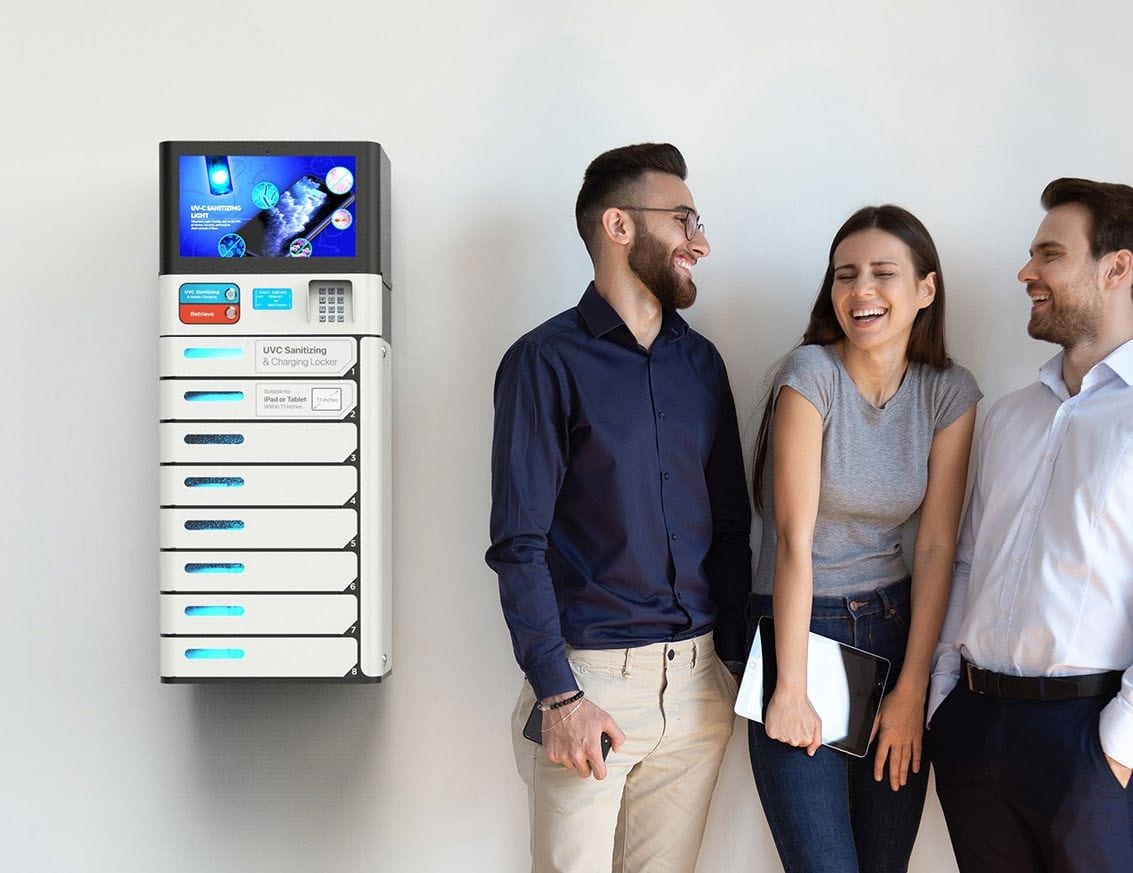
Charging lockers
6 to 32 bays
Lead time
Steel/acrylic typically 3–4 weeks
Questions we get asked
How do I choose Small, Medium, Large or Extra Large?
Choose by the largest item and the clear compartment width, depth and height, not by door count alone. Small covers 80 × 80 × 200 to 200 × 200 × 200 mm, Medium 100 × 100 × 300 to 300 × 400 × 300 mm, Large 400 × 400 × 500 to 600 × 600 × 600 mm, and Extra Large 600 × 600 × 600 to 600 × 600 × 1800 mm. The final cabinet layout is confirmed on a drawing.
Can we fit keypad locks to a standard locker instead of keys?
Yes, on any body in the range, and it can be done later without replacing the steel — a battery keypad lock drops into the same cam lock cut-out. Order it fitted and the locker arrives with codes ready to set; retrofit it in a few minutes per door with a screwdriver. Connected access is a step further and is quoted rather than listed: electronic latches need a controller and a socket at the end of the bank, which a catalogue cannot assume your room has.
Do the lockers arrive assembled, and what do you need on site?
Bodies ship assembled and welded, which is stronger and quicker to install, so the only real question is whether the bank fits through your doors, lift and stair turns — send us the tightest point and we will check it. Where it will not pass, the same sizes ship knocked down and bolt together in the room. On site we need a reasonably level floor and a wall to fix back to; a plain locker needs no power and no network at all.
What if the standard sizes do not fit our wall?
Send the largest item to be stored and the available width, depth and height. We can confirm whether a standard size and layout fit or whether a made-to-order drawing is needed. Lead time and price are confirmed with the selected configuration.
Is it safe to charge a lot of lithium batteries inside one steel cabinet?
It is, if the electrical design is right and the cabinet is not treated as a dumping ground for damaged batteries. Every unit we supply has a circuit breaker and overload protection on the incoming supply, per-port current limiting so one faulty device trips its own bay rather than the whole cabinet, a thermostatic cooling fan, and ventilation slots in every door. On the made-to-opening cabinets we also fit a bi-metallic cut-out that drops the whole unit at around 65 °C and resets itself once it cools. What the specification cannot do is cover a swollen battery someone put in anyway — take damaged devices out of service, do not stack two in one bay, and keep the ventilation clear. Those three practical rules matter more than any datasheet line.
What happens when someone forgets their code?
It is not an edge case — it is the most common call any charging locker generates, and every unit is specified around it. Production models with a touchscreen have an administrator PIN that opens any bay from the same screen. Keypad models and the made-to-opening cabinets have a mechanical master key override on every single door. We do not supply a lock of any kind without an override, because the alternative is forcing a door, which destroys it, and it will happen in the first month.
Can we charge users for it, and should we?
You can — coin, contactless card, or a QR code the user scans and pays on their own phone, with the minutes per payment set at the unit. Whether you should depends on why it is there. In a restaurant, bar or hotel it works and it is normal. In an office, a clinic or a school it does not: you would be charging your own staff, patients or students for something that costs you a few dollars of electricity a year, and the resentment is worth more than the revenue. A good test — if the person using it is already paying you for something else, make the charging free.
How many charging bays fit on my wall?
On the production models, roughly 30 bays per metre of wall from the widest bodies, and about 65 per metre if you stack two high. On the made-to-opening cabinets it is about 125 bays per metre, because they are 400 mm square towers rather than shallow wall boxes. That gap is the whole reason both routes exist: at 200 bays, production models need about 4.1 m of wall stacked two high, and made-to-opening needs 1.66 m. Send a wall width and a height limit and we will lay both out against it.
Do these run on the Latchwork smart access platform?
The production models do not, and we would rather say so than blur it. They run their own onboard controller, entirely self-contained — which is a genuine advantage in that there is no network, no subscription and nothing of ours to fail, but it also means no central dashboard, no access log across sites, and no automatic billing. Where those matter, the answer is a made-to-opening bank with our own latches and controller fitted, which puts the charging cabinet on the same platform as the rest of your lockers. That is a build, not a catalogue purchase, and it is quoted as one.
Can we have the compartments without any power in them?
Yes, and it is a common request — a bank of small locked cells with no supply at all is the cheapest way to get phones out of a room, and it is a different purchase from a charging locker. That is what the high-density steel cells further down this page are: 12 to 84 cells per bank, keyed or keypad, with a 230 V socket in every cell, in some of them, or in none. If the requirement is simply that phones are not in the exam hall or on the production floor, start there rather than with a charging model.
What is the lead time?
From two weeks for production models, subject to stock, including delivery and installation in Singapore. Made-to-opening cabinets sit at the top of our six to ten week made-to-order range, typically eight to ten, because tooling and a first-article sample have to be produced and signed off before a run starts. If a date is fixed and close, that difference usually decides the route on its own — say so early and we will quote what can actually land.
The cables are built in. What happens when they wear out?
They are a consumable and should be budgeted as one — plan on replacing them every twelve to eighteen months in a public location, sooner at a busy venue. On production models the cable is changed at the bay. On the made-to-opening cabinets it is a quick-release grommet: open the full-height rear door, release the clip, pull the old cable, click the new one in, about ten seconds a bay with no tools and nothing dismantled. Ask for spare cables to be quoted as a line item and for a supply commitment in years, because a locker with dead cables in half its bays is worse than no locker.
Is a charging locker the same thing as a phone locker or a handphone locker?
They overlap but they are not the same purchase. A handphone locker — the usual term in Singapore and Malaysia, and mobile phone locker in tender documents — is a bank of small steel cells for keeping phones out of a room, and it may have no power in it at all. A charging locker is one where each bay has a cable and a supply, so the device comes back charged. If your requirement is simply that phones are not in the exam hall or on the production floor, look at the non-charging cells on the family page first: they are substantially cheaper and they solve that problem completely.
Will it take phones in thick cases, or tablets?
Every phone bay in the range takes a current handset in a chunky case; that is the baseline, not the limit. Beyond that it varies a lot — the deepest phone bay is 132 mm and the shallowest is 52 mm, which is the difference between swallowing a small tablet and just taking a phone laid flat. Tablets and laptops need the device bodies, where a bay runs to 448 × 328 mm. Tell us the largest device that has to fit, with its case on, and we will size from that rather than from a model number.
What power supply does a unit need?
One standard 13 A wall socket per unit, and nothing else. Every model in the range runs on AC 100–240 V at 50/60 Hz and draws between 350 and 500 W at full load, so there is no switchboard work, no dedicated circuit and no M&E provision to coordinate. The only thing worth planning is not putting four units on one extension block — give each one its own socket.
Get a quote from the standard product range
Send the compartment count, the largest thing that has to fit inside one, and the wall length and height available. That is enough for an indicative figure before anyone visits — or work one out yourself on the pricing page.